Wide Material Range
We match materials to their function, design and operating conditions.




We select technical foam materials based on the product, protective packaging design, transportation conditions and processing requirements. Our range includes foams with different structures, densities, flexibility and performance characteristics.
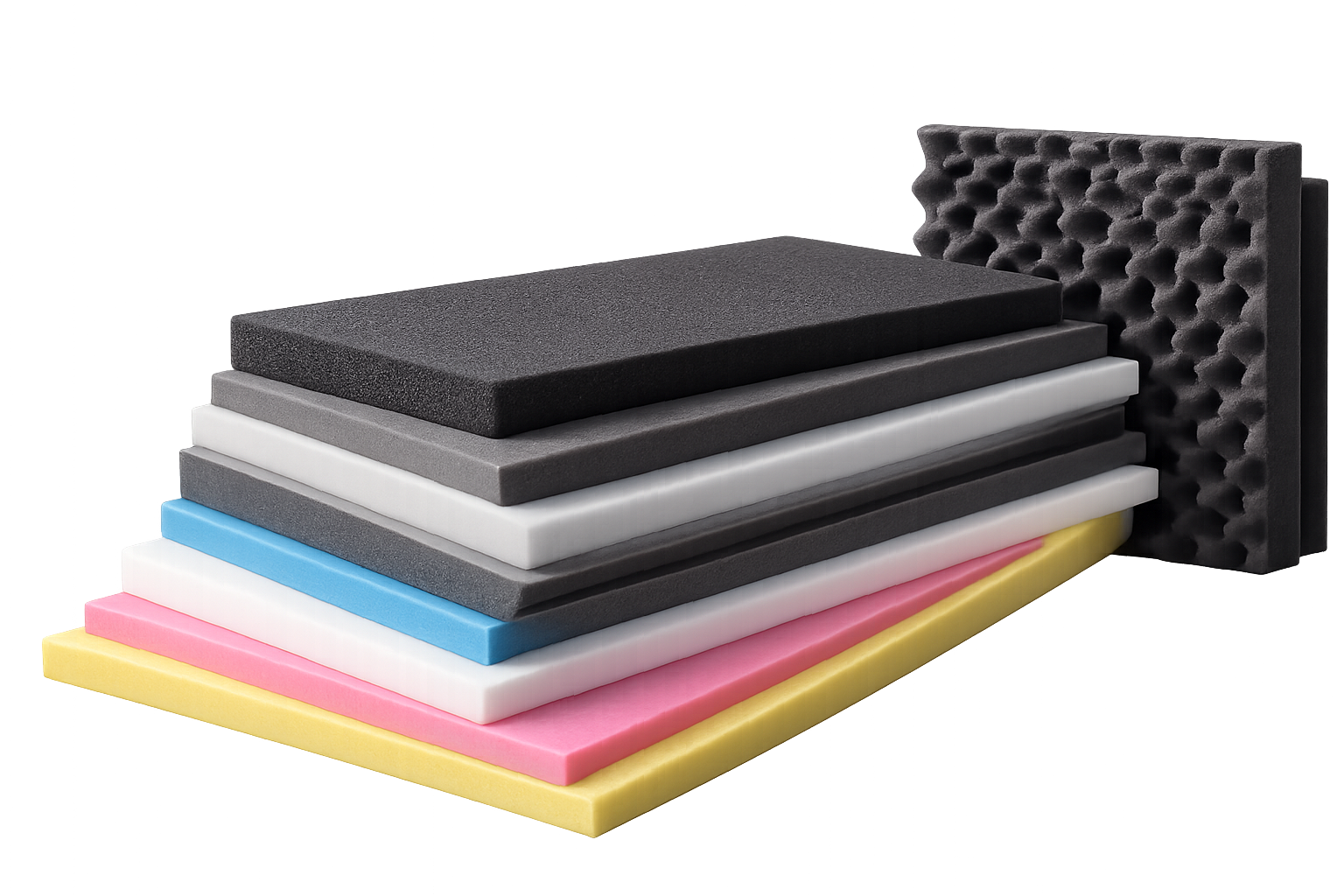
We match materials to their function, design and operating conditions.
We select the appropriate density for the required level of protection.
Materials can be laminated, bonded and combined in multiple layers.
We consider cutting, milling, die-cutting and bonding requirements.
Different foam types offer varying structures, elasticity, rigidity and processing properties.
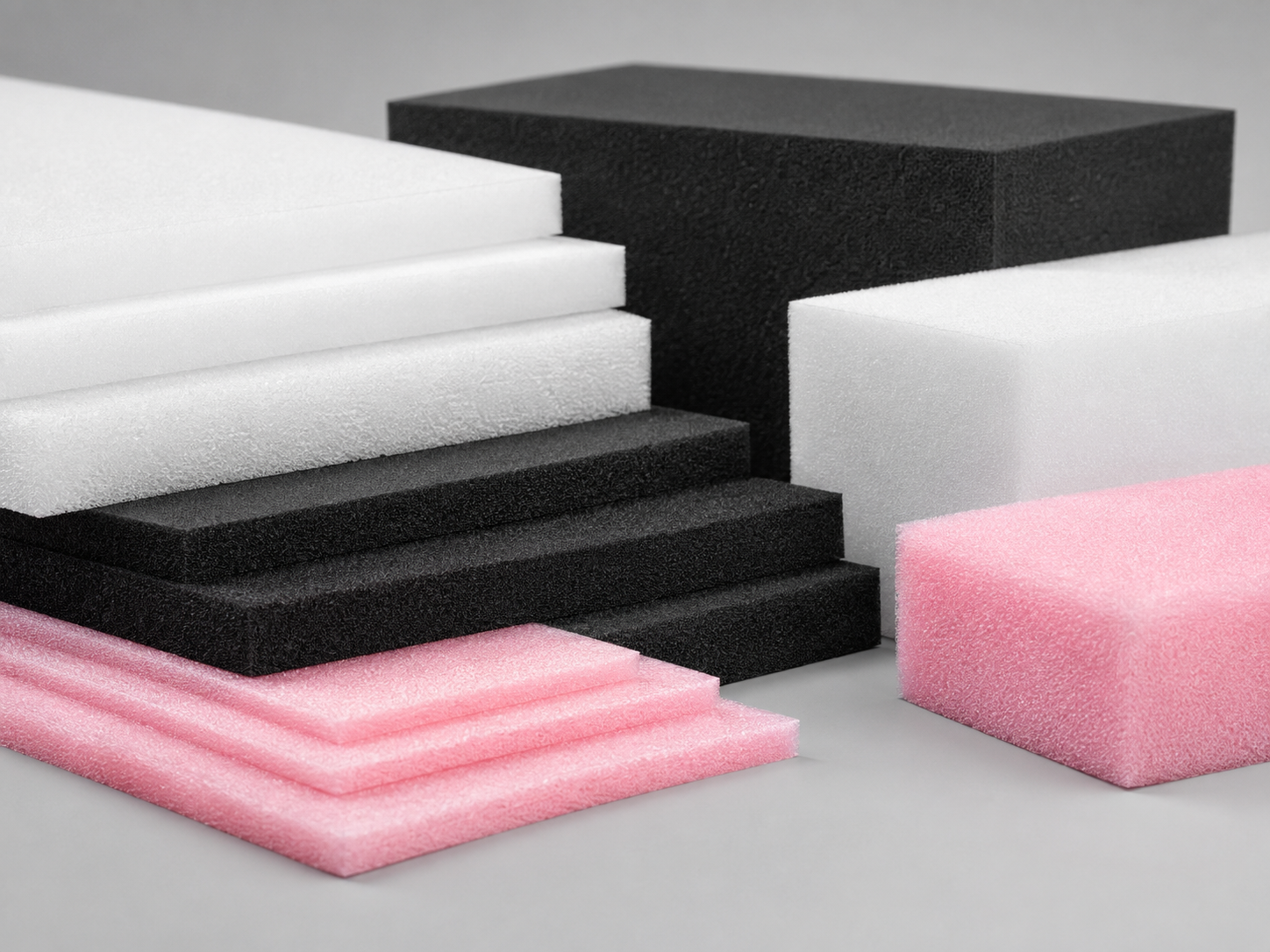
Polyethylene foams suitable for protective inserts, dividers, separators, transport protection and technical components.
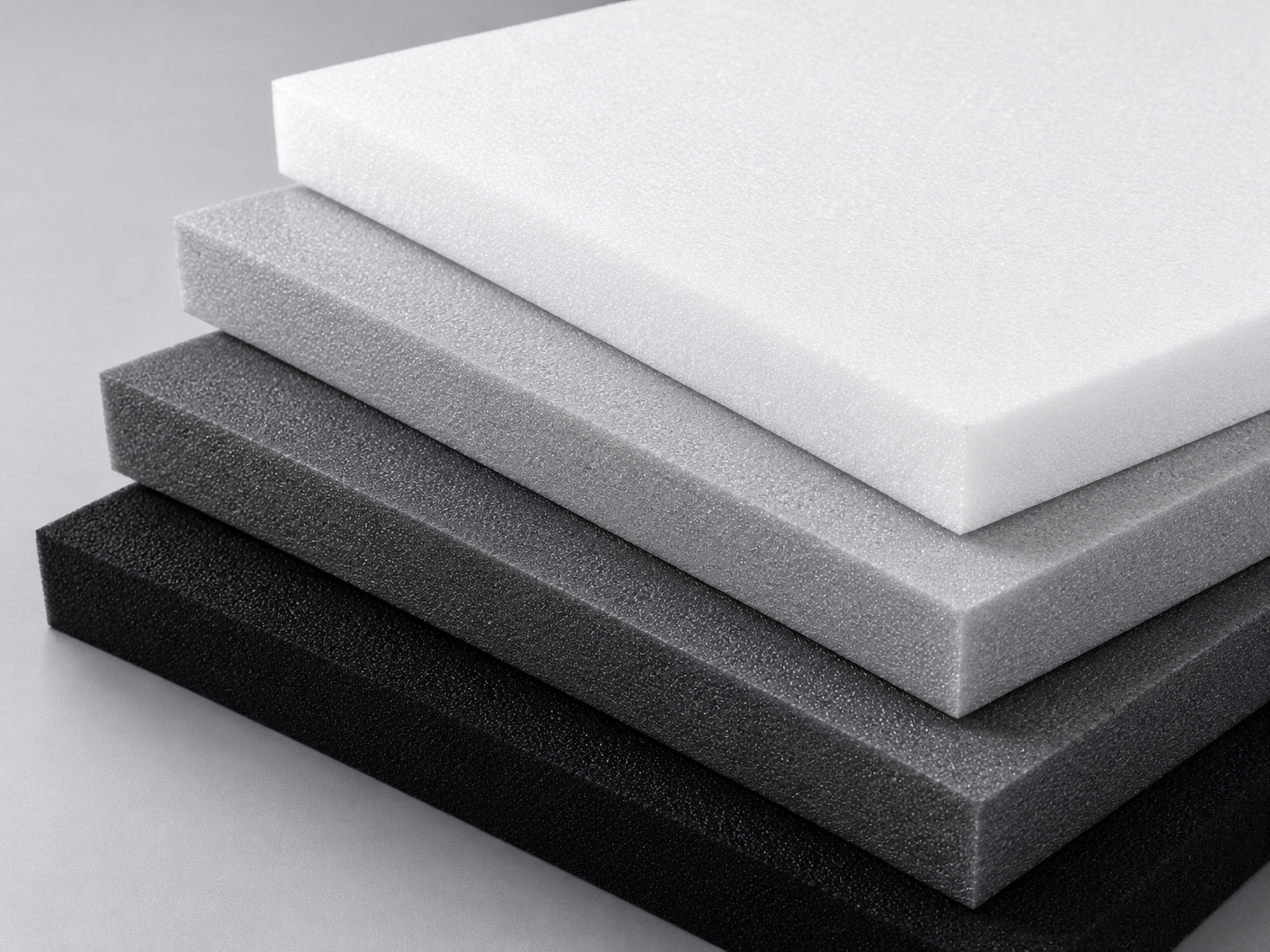
Cross-linked polyethylene foams selected for the required rigidity, resilience, durability and processing method.
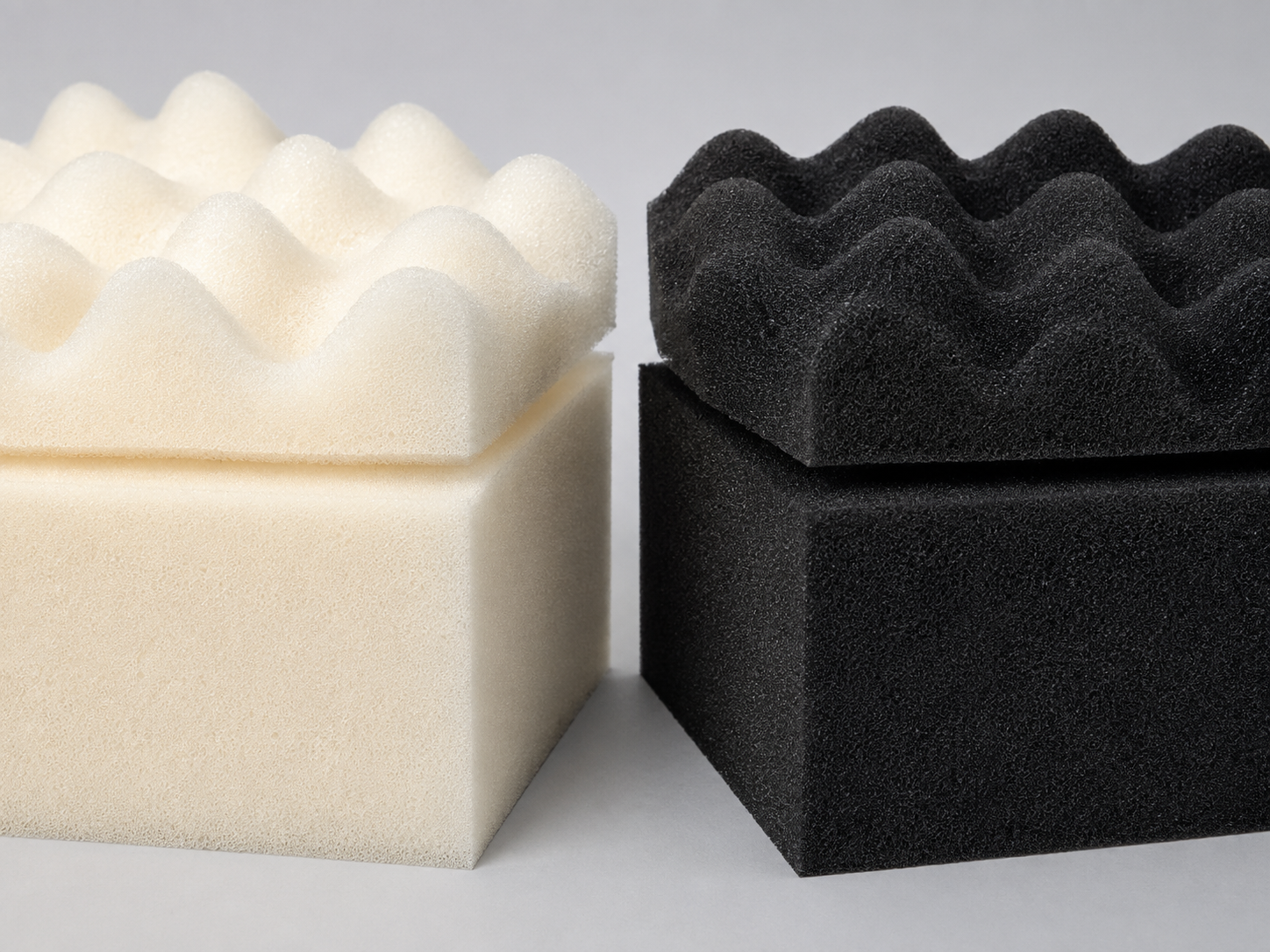
Foam materials available in two density variants, used in customised protective packaging and technical applications.
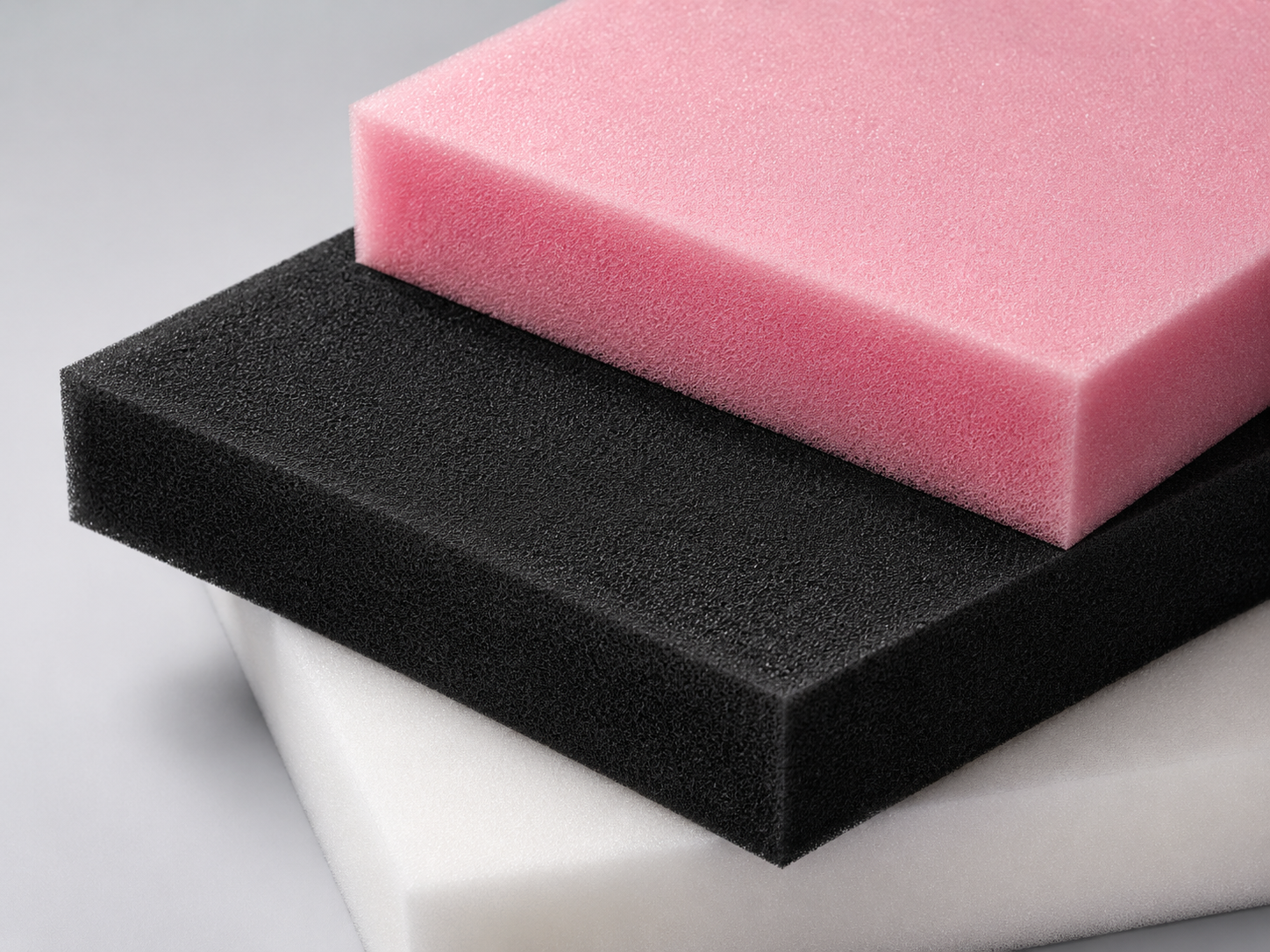
Foam materials designed for stable protective inserts and cushioning applications, including solutions requiring higher material density.
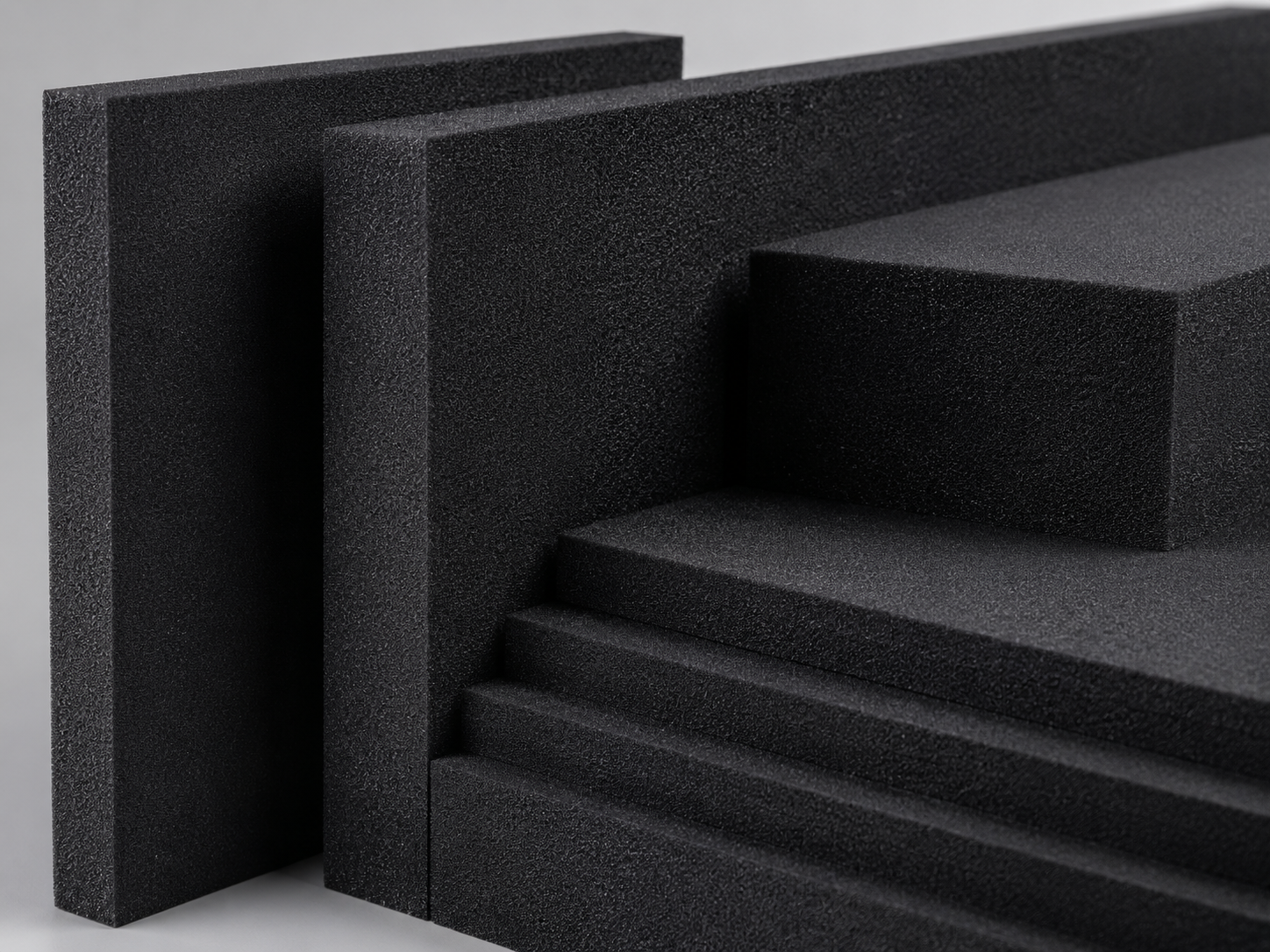
Foam material used for protective inserts, cushioning elements, separators and technical components.
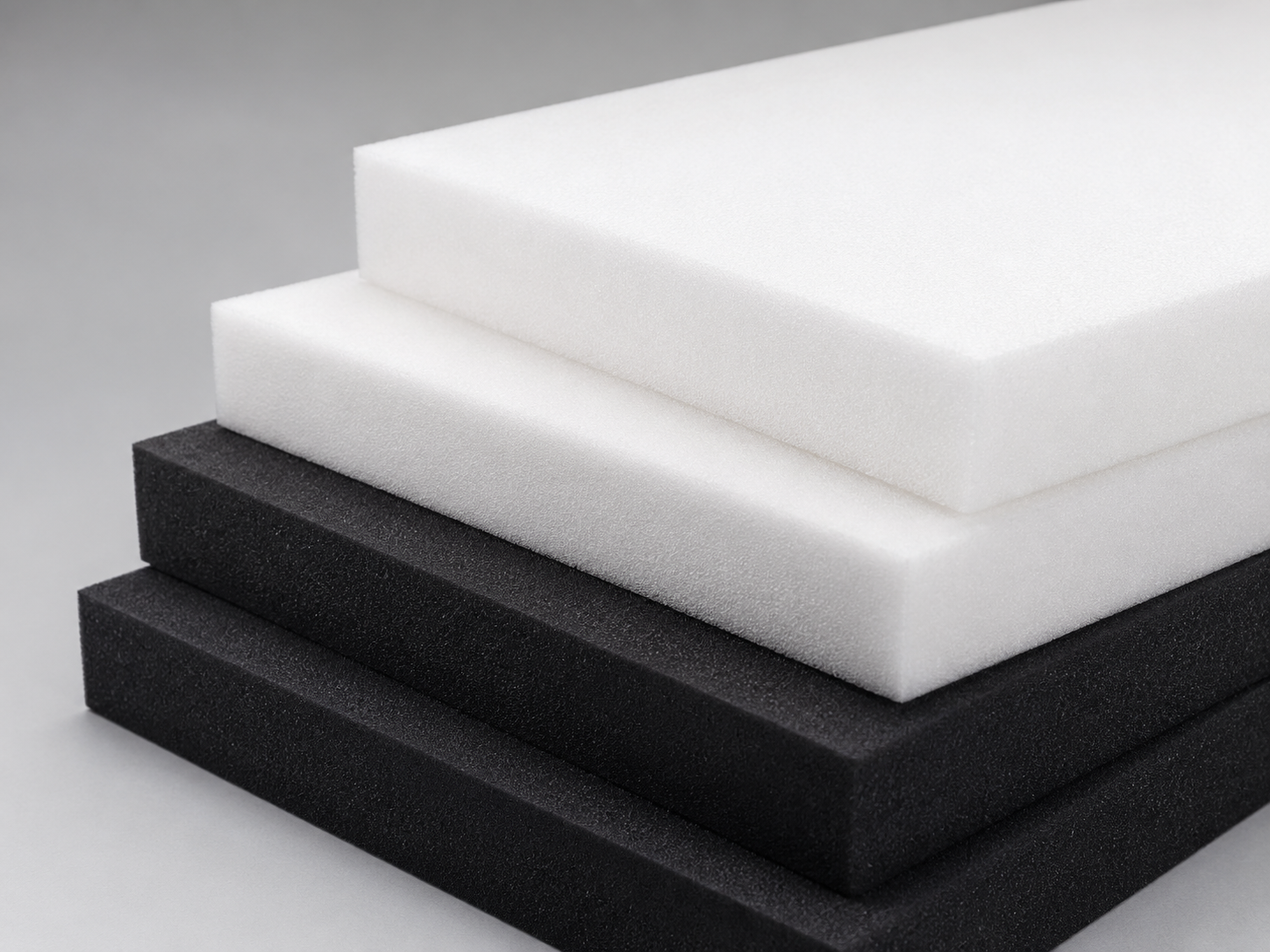
A versatile foam material used in transport protection, protective inserts and technical components.
Product geometry, weight, transportation conditions, intended use and manufacturing technology all influence material selection.
Determines the required load-bearing capacity and stability of the protective packaging.
Influences insert design, cut-out depth and product support points.
We consider shocks, compression, storage and repeated use.
The material must be suitable for cutting, milling, bonding or lamination.
Rather than repeating technical specifications, we highlight the material groups commonly suited to different applications.
PELD or PEMD are often suitable options.
PEHD or Ethafoam are worth considering.
XPE may be a suitable choice.
We select an antistatic pink foam variant.
Black XPE, Alveo or LD29 are potential options.
We select materials suitable for lamination, bonding and combining different densities.
We assess weight, dimensions, geometry and the required level of protection.
We choose the foam group, variant, thickness and layer configuration.
We determine how the material will be cut, milled or bonded.
If required, we produce a sample before series production begins.
Send us a product photograph, technical drawing or dimensions. We'll recommend the appropriate foam material and manufacturing method.